Property Type & Space Planning
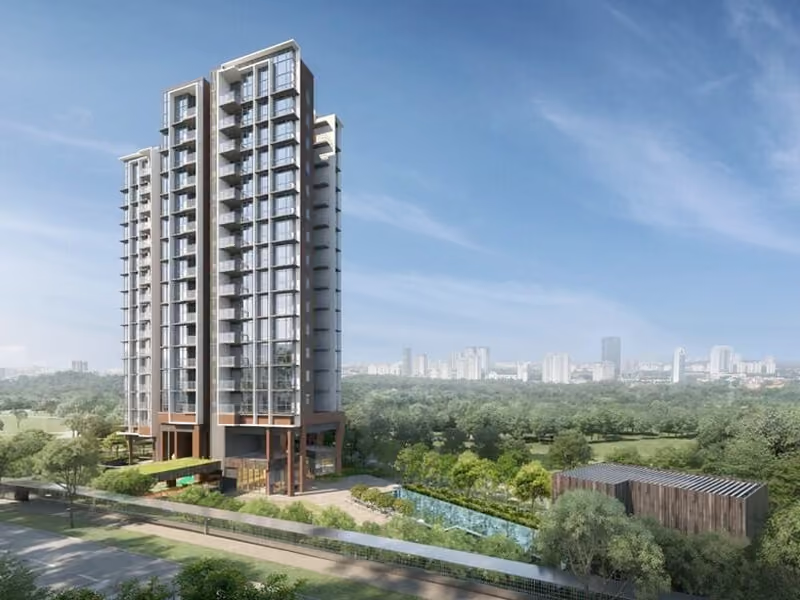
UrbanVille @ Woodlands Renovation
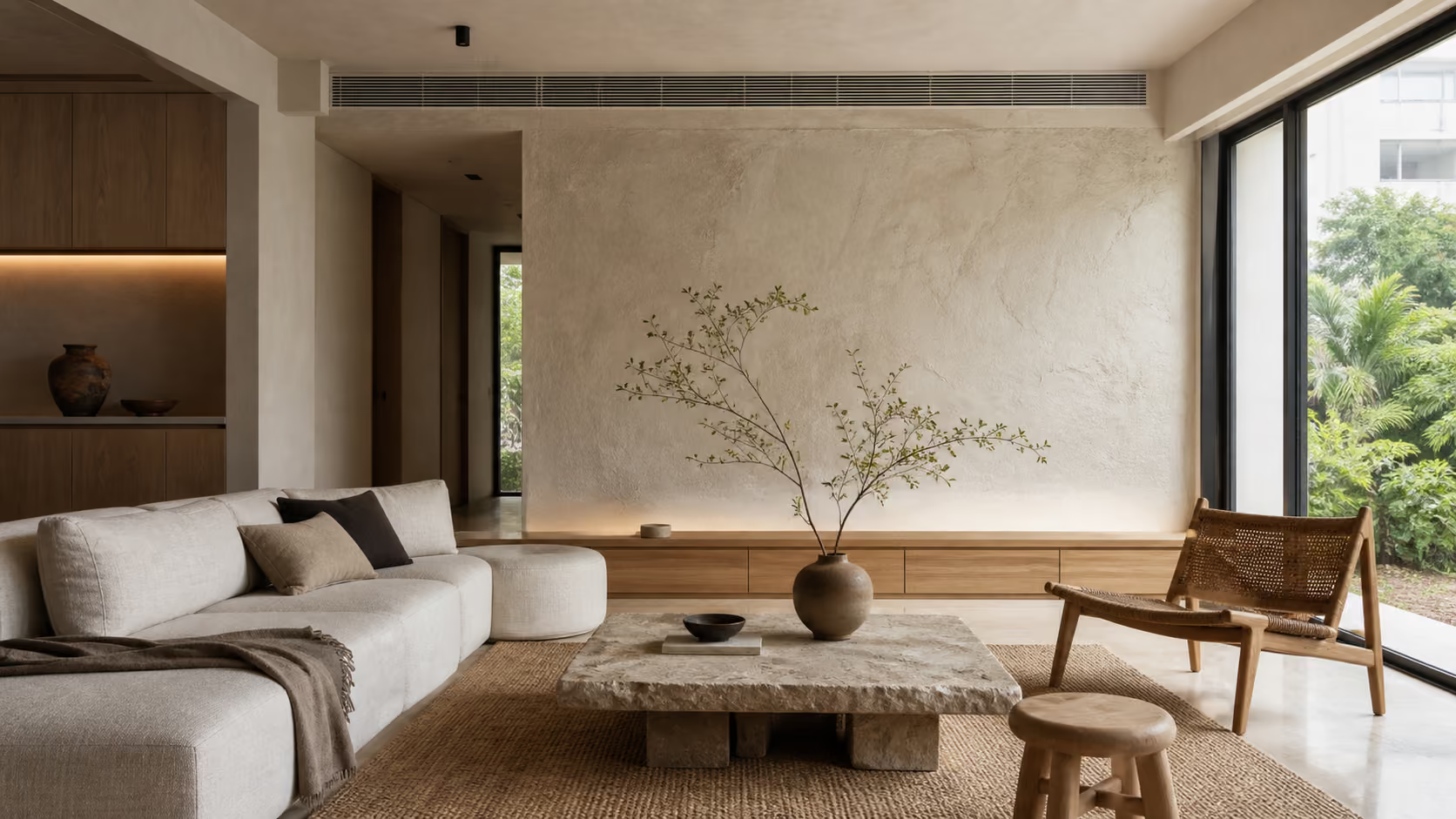
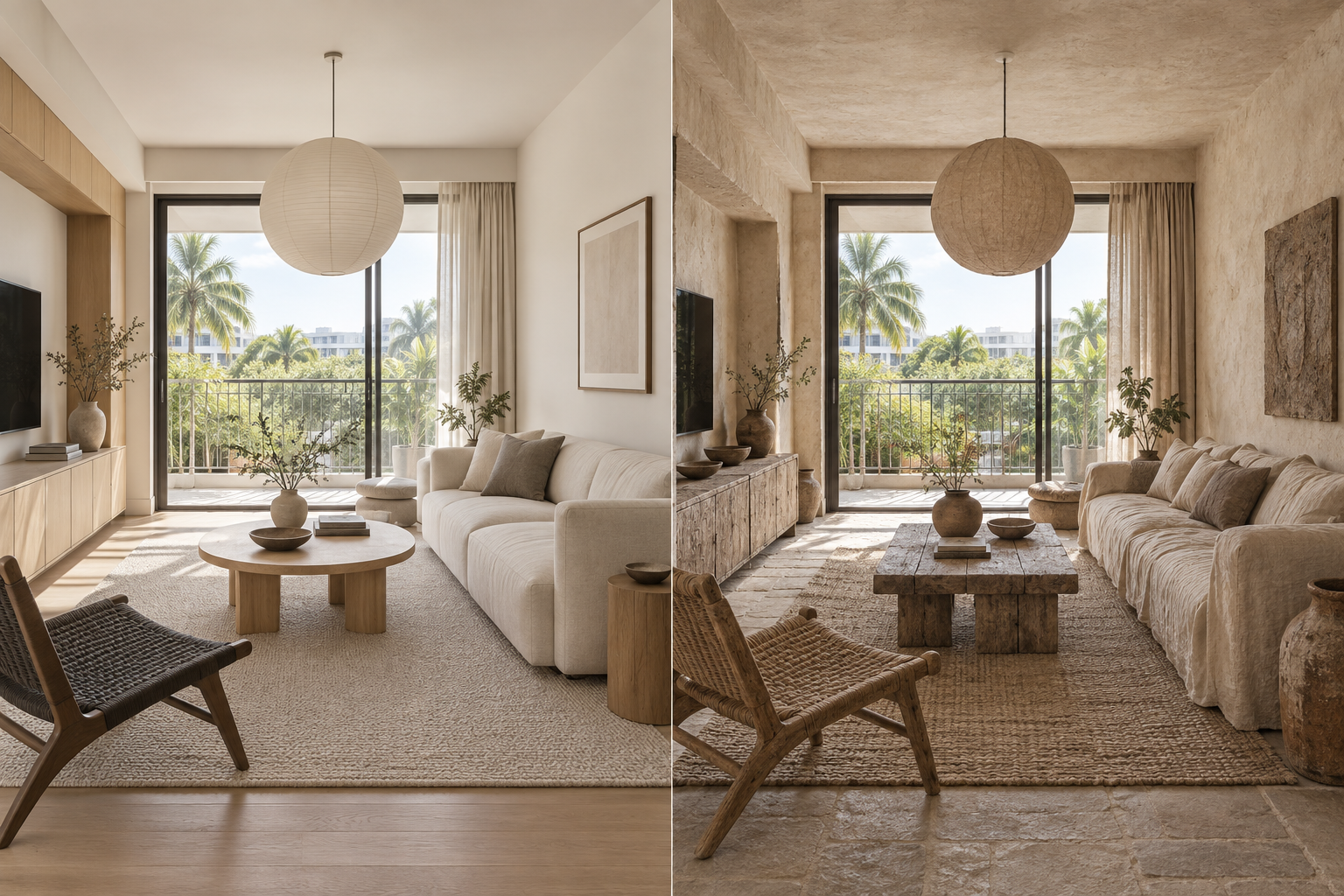
Wabi-Sabi is a Japanese aesthetic philosophy centred on finding beauty in imperfection, impermanence and natural ageing, resulting in raw, organic, deeply tranquil interiors with handmade objects and earthy tones. Japandi is a modern hybrid interior style that blends Japanese minimalism with Scandinavian warmth and functionality, giving a cleaner, cosier, more refined look with light woods and soft textiles. In short, Wabi-Sabi leans raw and rustic, while Japandi leans refined and comfortable.
Wabi-Sabi is a Japanese aesthetic philosophy centred on finding beauty in imperfection, impermanence and natural ageing, resulting in raw, organic, deeply tranquil interiors with handmade objects and earthy tones. Japandi is a modern hybrid interior style that blends Japanese minimalism with Scandinavian warmth and functionality, giving a cleaner, cosier, more refined look with light woods and soft textiles. In short, Wabi-Sabi leans raw and rustic, while Japandi leans refined and comfortable.
Choose Wabi-Sabi if you're drawn to organic imperfection, raw texture, handmade character and a meditative, grounding atmosphere. Choose Japandi if you want that same calm and warmth but with cleaner lines, more comfort, more structure and greater everyday practicality. For busy households, Japandi's focus on function is often more practical; for a personal sanctuary, Wabi-Sabi offers deeper tranquillity. Both suit Singapore's climate, and the two can be blended.
Yes. Because they share a love of nature, calm, craftsmanship and muted palettes, they blend seamlessly. Choose one style as your lead foundation and use the other as an accent, keep a consistent earthy palette, balance raw and refined elements, and stay restrained. The result combines Wabi-Sabi's soulful character with Japandi's warmth and practicality.
Both are minimalist but in different ways. Wabi-Sabi is minimalist through restraint, emptiness and an organic, imperfect feel, while Japandi is minimalist through clean lines and function, with a warmer, more structured and comfortable result. Neither is cluttered, but Japandi tends to feel more polished and Wabi-Sabi more raw.
Wabi-Sabi and Japandi are two of the most sought-after interior styles in Singapore right now , and it's easy to see why. Both offer a calm, natural, clutter-free antidote to busy city life. Both celebrate simplicity, craftsmanship and a deep connection to nature. And to the untrained eye, they can look remarkably similar.
But while they're closely related , and often confused , Wabi-Sabi and Japandi are not the same thing. One is a centuries-old philosophy; the other is a modern design movement. They share DNA, yet they lead to homes that feel subtly but meaningfully different.
Understanding the distinction matters, because choosing between them shapes everything from your colour palette and materials to the overall mood of your home. Pick the one that truly resonates with you, and your space will feel authentic and deeply satisfying. Blend them thoughtlessly, and you may end up somewhere in between that never quite feels resolved.
This guide breaks down exactly what each style is, how they differ, where they overlap, and , most importantly , how to decide which is right for your home, your personality and your lifestyle. Whether you're renovating a compact HDB flat or a larger home, this comparison will help you choose with confidence.
At Luxior Concept, we love these calm, natural styles, and we've helped many homeowners discover which one truly fits them. Our goal here isn't to crown a "winner" , it's to help you understand both deeply enough to make the right choice for you.
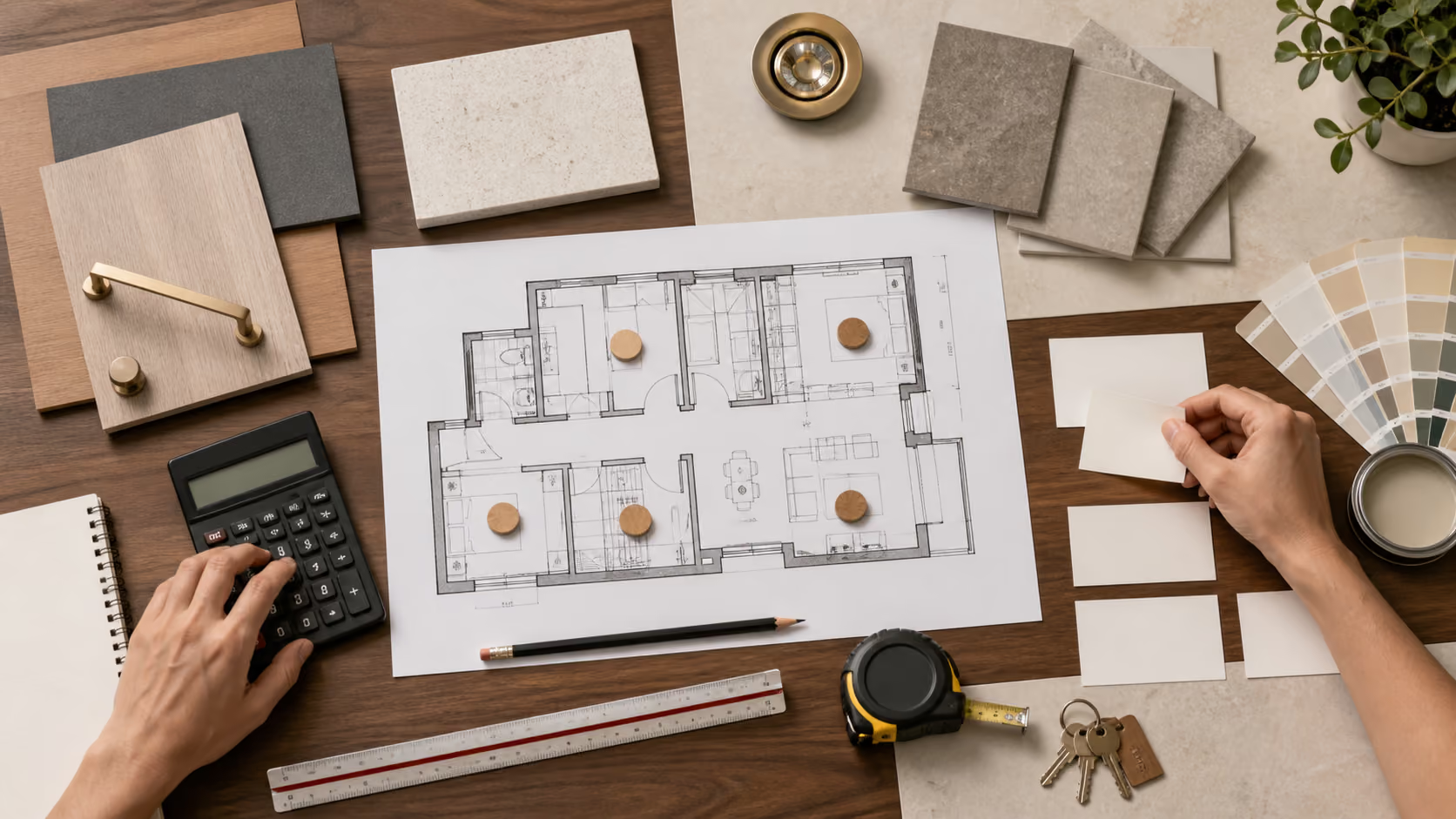
Choosing between Wabi-Sabi and Japandi for your home? Use Luxior’s renovation cost calculator, then share your floor plan and lifestyle priorities on WhatsApp so the style decision fits how you actually live.
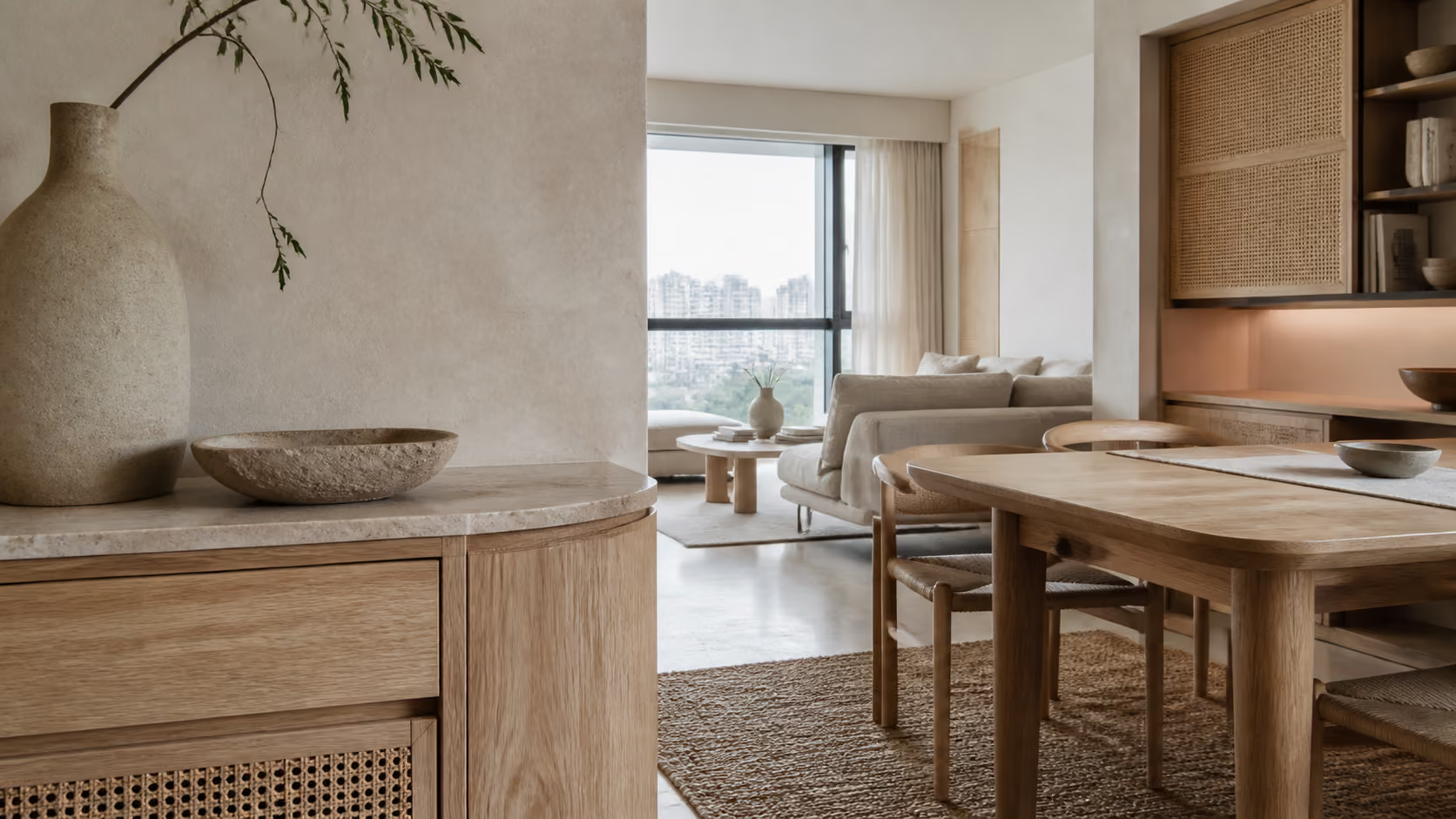
Wabi-Sabi is not, strictly speaking, an interior design style at all , it's a Japanese aesthetic philosophy and worldview. Rooted in Zen Buddhism, it finds beauty in imperfection, impermanence and incompleteness. It's the appreciation of things that are modest, humble, weathered and natural.
Translated into interiors, Wabi-Sabi celebrates:
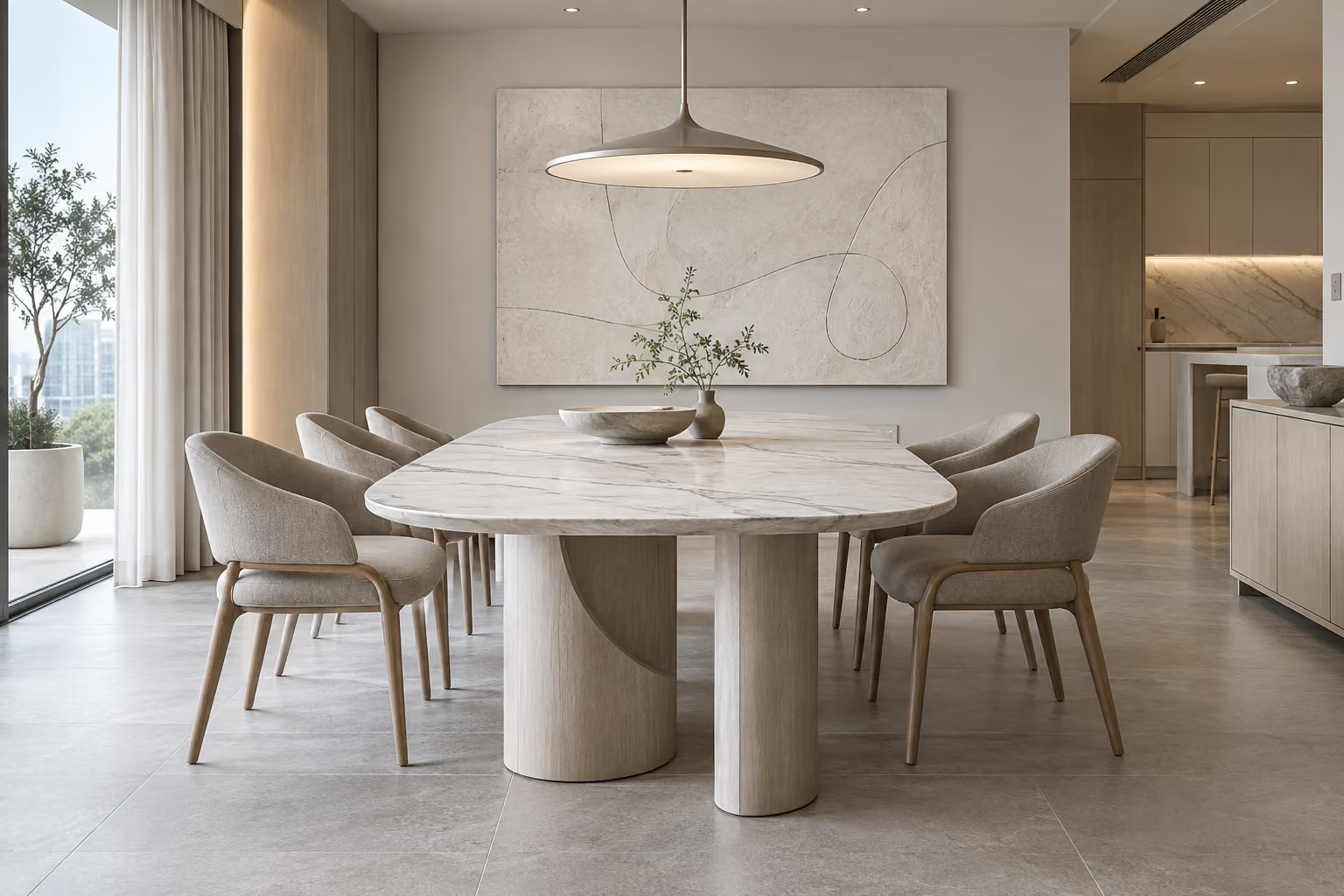
A Wabi-Sabi home feels organic, tactile and deeply tranquil. Nothing is glossy, perfect or mass-produced in feeling. Instead, there's a gentle, soulful beauty in the worn, the natural and the imperfect , a space that invites you to slow down and simply be.
✅ Expert Tip: The heart of Wabi-Sabi is acceptance and authenticity. If you're drawn to raw texture, handmade character and the quiet beauty of things that age gracefully, Wabi-Sabi likely speaks to you.
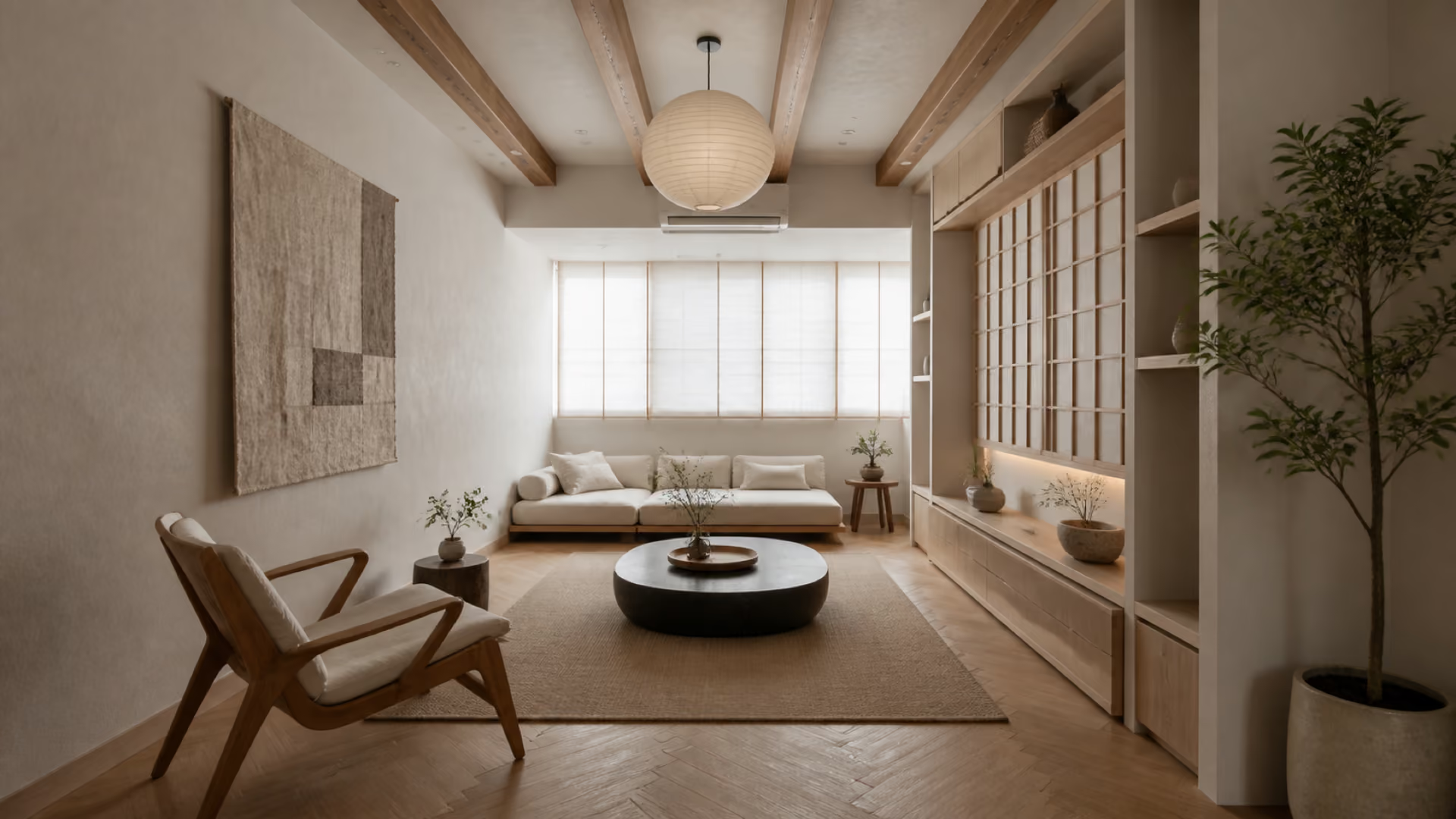
Japandi, by contrast, is very much a modern interior design style , a hybrid that emerged from blending two complementary traditions: Japanese minimalism and Scandinavian (Nordic) design.
From Japanese design, Japandi takes minimalism, natural materials, craftsmanship and a sense of calm. From Scandinavian design, it takes warmth, functionality, comfort ("hygge") and clean, light-filled simplicity. The result is a style that feels serene and pared-back, but also cosy, practical and refined.
Japandi is characterised by:
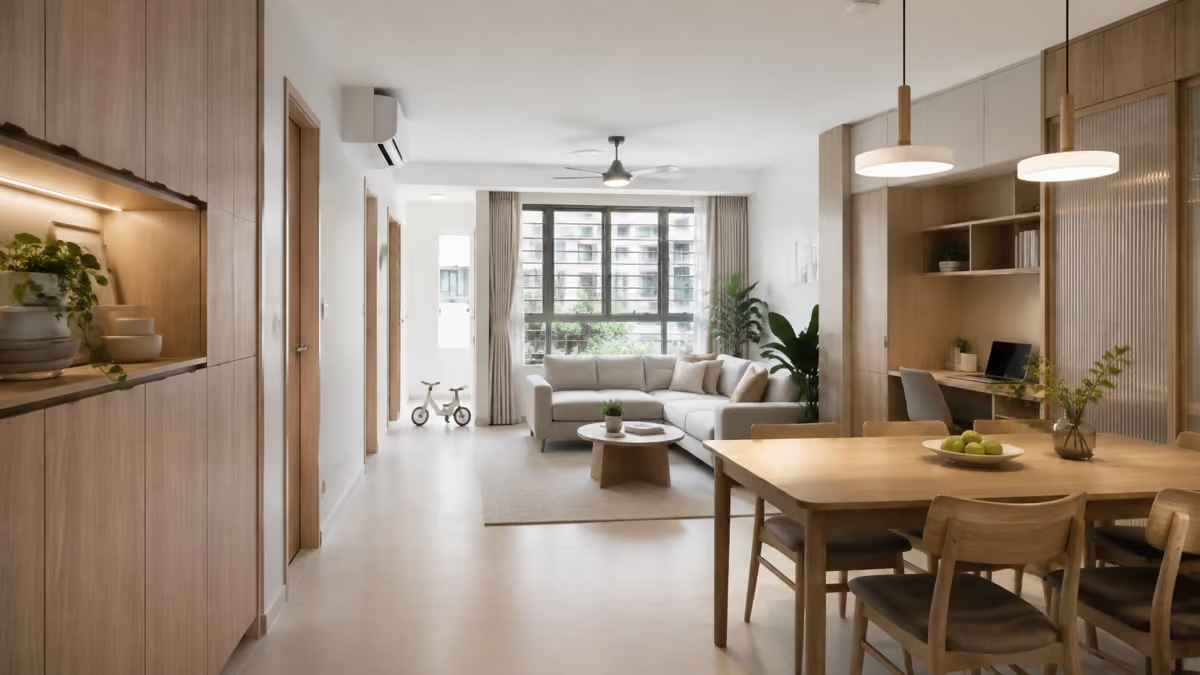
A Japandi home feels calm, warm, elegant and highly liveable. It has the serenity of Japanese design with the cosy practicality of Scandinavian living , a style that's both beautiful and genuinely easy to live in.
✅ Expert Tip: Japandi is minimalism you can actually relax in. If you love calm, natural simplicity but also want comfort, structure and everyday practicality, Japandi is likely your fit.
Though they share a love of nature, calm and simplicity, Wabi-Sabi and Japandi differ in some important ways. Here's how they compare.
Origin
Core idea
Overall feel
Materials
Palette
Furniture
Mood
In short: Wabi-Sabi is a philosophy of imperfect, natural beauty; Japandi is a polished, functional style built on similar values. Wabi-Sabi leans rustic and raw; Japandi leans clean and cosy.
For all their differences, Wabi-Sabi and Japandi share a great deal , which is exactly why they're so often confused. Their common ground includes:
Because they share so much, the two styles pair naturally , and many homes blend elements of both. The key is understanding which one you lean toward as your foundation.
To make the distinction concrete, here's how each style typically approaches the building blocks of a home.
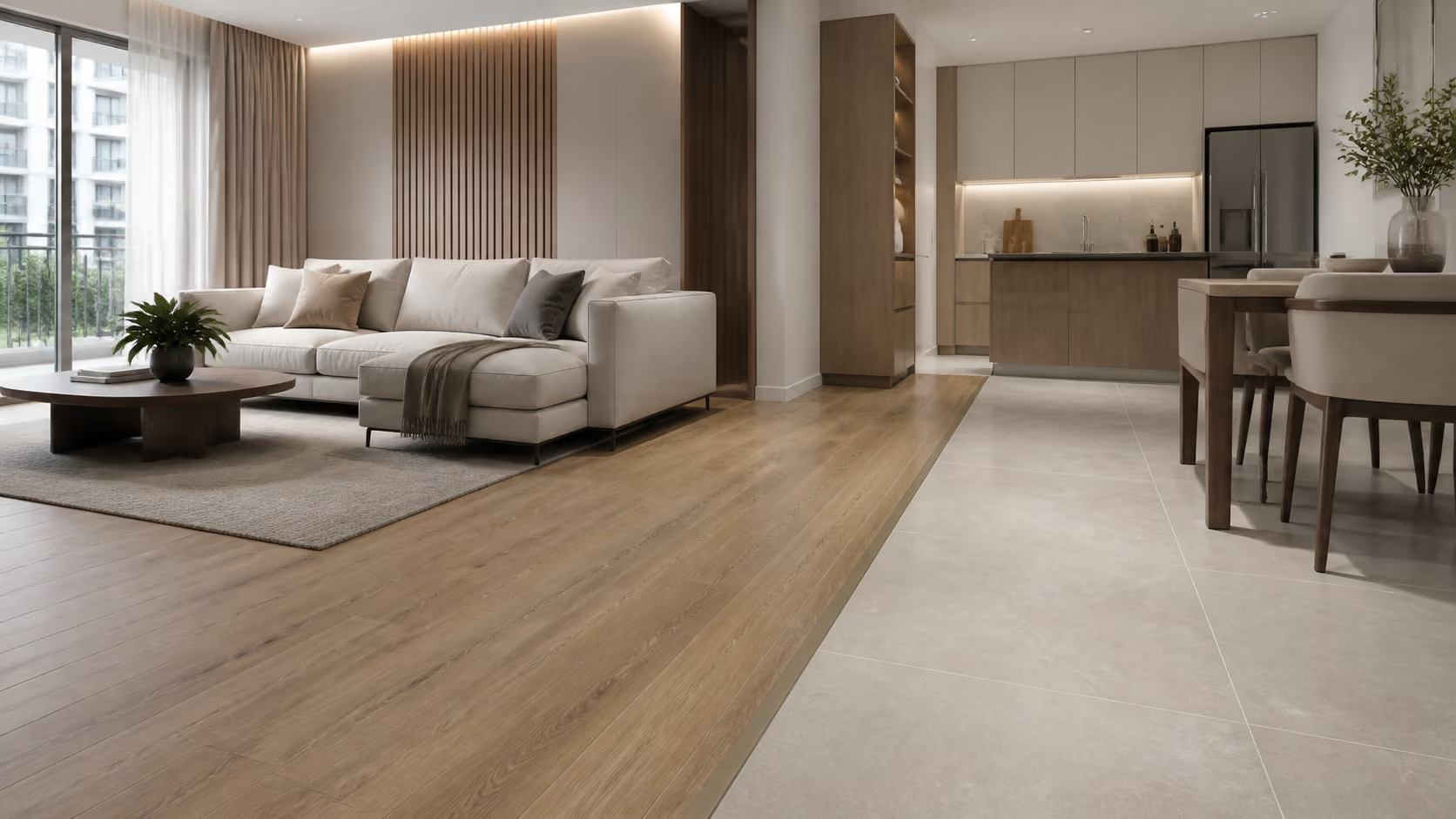
Both use natural, muted palettes, but with a different emphasis. Wabi-Sabi tends toward deeper, earthier and more organic tones , clay, terracotta, moss, charcoal and warm stone. Japandi balances warm neutrals with the paler woods and soft off-whites of Scandinavian design, giving a slightly lighter, airier feel overall.
Both celebrate natural materials, but treat them differently. Wabi-Sabi favours raw, unpolished, weathered surfaces , rough timber, unfinished stone, handmade clay. Japandi uses the same materials in a more refined, finished form , smooth light woods, neat rattan, crisp linen and polished ceramic. If you're building your palette, our guide to the best natural materials for calm Singapore interiors suits both styles.
Wabi-Sabi furniture is artisanal and characterful , handcrafted pieces, often irregular, with visible texture and history. Japandi furniture is clean-lined and functional , low-profile, well-proportioned and comfortable, marrying Japanese restraint with Scandinavian usability.
Wabi-Sabi decorates sparingly with meaningful, handmade objects , a single ceramic vessel, a branch, a textured textile. Japandi allows a touch more soft comfort , cushions, throws and cosy layers , while still keeping surfaces calm and uncluttered.
At Luxior Concept, we recommend using these building blocks as a practical test: if you're drawn to raw, rustic and handmade, you lean Wabi-Sabi; if you prefer refined, light and cosy, you lean Japandi.
Beyond aesthetics, the right style depends on who you are and how you live.
Wabi-Sabi may be right for you if you:
Japandi may be right for you if you:
Neither is "better" , they simply suit different temperaments. Wabi-Sabi rewards those who find beauty in imperfection and stillness; Japandi rewards those who want serenity with a little more comfort and order.
Style should support each room rather than sit apart from it. Compare our Living Room, Kitchen, Master Bedroom and Bathroom ideas when deciding how the palette, materials and lighting should work across your home.
Both styles work wonderfully in Singapore, but a few local considerations can help you decide.
Space and light. Both styles suit compact HDB flats, but Japandi's lighter palette and clean lines can make small, darker units feel especially bright and open. Wabi-Sabi's deeper, earthier tones can feel rich and cocooning, and shine in spaces with good natural light.
Climate. Both favour natural materials, which , chosen in the right forms , thrive in Singapore's humidity. Japandi's more refined, finished materials can be marginally lower-maintenance, while Wabi-Sabi's raw finishes benefit from careful selection and sealing.
Lifestyle fit. For busy families, Japandi's emphasis on function and comfort is often the more practical everyday choice. For those seeking a personal sanctuary and a slower, more contemplative home, Wabi-Sabi delivers unmatched tranquillity.
Maintenance. Japandi's cleaner surfaces are generally easier to keep looking crisp, while Wabi-Sabi's textured, imperfect finishes are forgiving of everyday wear , imperfection is, after all, part of the point.
If you're weighing these styles as part of a bigger decision, our guide on how to choose an interior design style walks through the full process.
Yes , and because they share so much common ground, they blend beautifully. In fact, many calm, natural homes sit somewhere on the spectrum between the two.
To combine them successfully:
Done thoughtfully, a Wabi-Sabi–Japandi blend gives you the best of both: the soulful, organic character of Wabi-Sabi with the warmth, comfort and practicality of Japandi.
At Luxior Concept, we recommend anchoring to whichever style resonates most, then borrowing selectively from the other , this keeps your home cohesive while letting you enjoy elements of both.
Confusing minimalism with coldness. Neither style is about bare, sterile rooms. Both rely on warmth, texture and natural materials to feel inviting rather than empty.
Over-styling. Adding too many objects , even beautiful natural ones , undermines the calm both styles depend on. Restraint is essential.
Using cool, artificial lighting. Harsh, cool-white light kills the warmth of both styles. Warm, layered lighting is non-negotiable.
Choosing raw materials without practicality. Wabi-Sabi's love of raw finishes still needs sensible choices for Singapore's humidity and daily use. Beauty and durability must coexist.
Blending without a lead style. Mixing the two with no dominant direction can result in a space that feels indecisive. Always anchor to one.
Forcing perfection in Wabi-Sabi. Trying to make a Wabi-Sabi home look flawless misses the point entirely. Embrace the imperfection that defines it.
Use this checklist to decide between Wabi-Sabi and Japandi.
Understand each style
Match to yourself
Match to your home
Bring it together
At Luxior Concept, we recommend deciding your lead style before selecting materials or furniture, so every choice reinforces one clear, calming direction.
Wabi-Sabi and Japandi are two beautiful paths to the same destination: a calm, natural, restorative home. They share a love of nature, craftsmanship and simplicity, yet they arrive there differently , Wabi-Sabi through raw, imperfect, soulful beauty, and Japandi through refined, functional, cosy minimalism.
There's no wrong choice, only the right choice for you. If you're drawn to texture, imperfection and deep tranquillity, let Wabi-Sabi lead. If you want that same serenity with more comfort, structure and everyday practicality, Japandi is likely your style. And if you love both, you can blend them into something uniquely yours.
Whichever you choose, the essentials are the same: natural materials, a muted palette, warm layered lighting and disciplined restraint. Get those right, and your home will feel like the calm sanctuary both styles promise.
For more inspiration, browse Luxior.com.sg to see how calm, natural styles come to life across different Singapore homes.
Every home is unique, and the right style should reflect your personality, lifestyle and space. Whether you're drawn to soulful Wabi-Sabi, refined Japandi, or a beautiful blend of both, the team at Luxior Concept is here to help you decide and bring it to life.
Book a complimentary consultation today and discover how we can help you create a home that's built Beyond Standards.
Book a Free Consultation 👉 or message us directly on WhatsApp.
Wabi-Sabi isn't strictly an interior design style , it's a Japanese aesthetic philosophy rooted in Zen Buddhism that finds beauty in imperfection, impermanence and incompleteness. Translated into interiors, it celebrates raw natural materials, earthy muted tones, handmade one-of-a-kind objects, and emptiness or stillness rather than glossy, mass-produced perfection.
Wabi-Sabi likely suits you if you're drawn to raw texture, imperfection and a meditative, grounding atmosphere. Japandi likely suits you if you want that same calm simplicity but also comfort, structure and everyday practicality, especially for a busier household. Neither is objectively better, they simply suit different temperaments.
Both work well, but Japandi’s lighter palette and clean lines can make small or darker units feel especially bright and open. Wabi-Sabi’s deeper, earthier tones feel rich and cocooning and work best in spaces with good natural light. For busier households, Japandi’s practicality is often the easier everyday fit. For an initial renovation range before deciding how much to invest in materials and detailing, use Luxior’s renovation cost calculator.



.avif)